Postnatal Massage Near Me for Relaxation
Discover the Positive Aspects of Postpartum Massage: A Detailed Guide for New Mothers
New mothers often find postpartum recovery to be a challenging journey. Physical discomfort and emotional stress often accompany this period. Postpartum massage offers significant benefits that can ease these challenges. Through promoting relaxation and addressing muscle tension, this practice both supports healing and strengthens the mother-baby bond. Any new mother pursuing self-care should understand these advantages. What might this nurturing experience reveal about the postpartum process?
Grasping Post-Birth Healing
While the postpartum period is often celebrated for the arrival of a new baby, it also represents a vital phase in a mother's recovery. This period, which lasts approximately six to eight weeks following childbirth, involves substantial physical and emotional adjustments. Mothers experience multiple expert guide changes, including hormonal fluctuations, fatigue, and potential complications from delivery.
Comprehending postpartum recovery necessitates recognizing the wide-ranging challenges new mothers face, such as emotional well-being and physical healing. The shift to motherhood can trigger feelings of anxiety, sadness, or even postpartum depression, complicating the recovery process. Furthermore, physical concerns like soreness, pelvic floor dysfunction, and changes in body image may emerge.
Support structures, such as healthcare practitioners and family members, play a vital role in supporting recovery. Education about the postpartum experience can equip mothers, helping them handle the complexities of this transformative phase with greater awareness and resilience.
Physical Benefits of Postpartum Massage
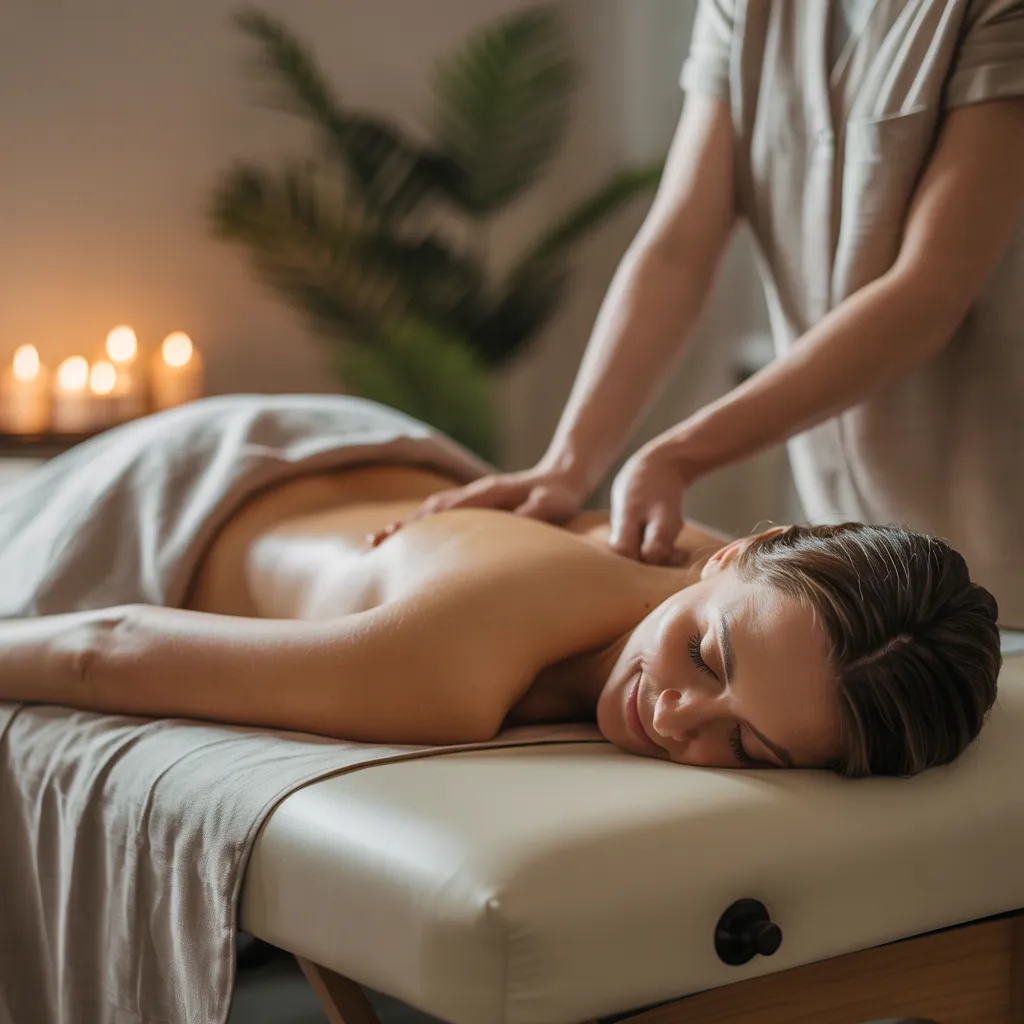
Postpartum massage provides many physical advantages that can significantly assist a mother's recovery after childbirth. This therapeutic practice helps ease muscle tension and soreness, particularly in areas affected by pregnancy and labor, such as the back, shoulders, and hips. By promoting circulation, postpartum massage enhances blood flow, which can speed up the healing process and decrease swelling. Additionally, it aids in the realignment of the pelvis and spine, helping restore the body to its pre-pregnancy state.
Moreover, postpartum massage can enhance lactation by stimulating the milk-producing glands, making it easier for mothers to breastfeed. It also facilitates the release of oxytocin, supporting uterine contractions that assist in postpartum recovery. By dealing with these physical challenges, postpartum massage plays a crucial role in a new mother's overall physical wellness, helping her rebuild strength and mobility as she navigates the demands of motherhood.
Emotional Well-being and Stress Relief
Physical recovery following childbirth frequently aligns with emotional difficulties that new mothers encounter. Postpartum massage serves as a valuable tool for addressing these emotional hurdles. The gentle touch of a qualified massage therapist can foster relaxation and diminish anxiety, aiding in easing feelings of being overburdened often encountered following delivery. Through cultivating a feeling of tranquility, postnatal massage helps in stabilizing mood and improving emotional health.
Moreover, the release of endorphins during massage sessions provides an overall sense of happiness and comfort. This practice encourages new mothers to carve out essential self-care time, which can be invaluable amidst the demands of motherhood. The focused attention on the body allows women to reconnect with themselves, mitigating feelings of isolation or stress. Ultimately, incorporating postpartum massage into recovery routines can significantly enhance emotional resilience, providing a supportive environment to navigate the demands of new motherhood.
Deepening Bond With Your Baby
Numerous mothers with newborns realize that regular massage can greatly enhance bonding with their little ones. This tender practice fosters a nurturing environment, allowing mothers to connect both physically and emotionally with their babies. Direct skin contact during massage stimulates the release of oxytocin, frequently described as the "love hormone," which can enhance maternal instincts and increase feelings of closeness.
Moreover, the tranquil effects of massage can generate a peaceful atmosphere, making it less difficult for mothers to remain present and attentive to their infant's needs. As they engage in this touch-based interaction, both mother and child can experience a sense of relaxation, which can even more deepen their bond.
Furthermore, including tender movements and gentle touch can assist babies experience safe, promoting trust and attachment. Overall, postpartum massage acts as a beneficial tool for fostering a strong bond, essential for both the maternal and infant's emotional health.
How to Pick a Postpartum Massage Therapist
In what way can new mothers assure they find the most suitable massage therapist for their postpartum needs? First, they should search for therapists who specialize in postpartum care, as this guarantees familiarity with the distinct physical and emotional difficulties new mothers face. Examining credentials is essential; therapists should be licensed and certified in techniques related to postpartum recovery.
Subsequently, mothers can request recommendations from medical professionals or fellow new mothers. Web-based reviews and testimonials might additionally give insight into a therapist's competence and approach. A personal consultation is advantageous, enabling mothers to discuss their specific needs and concerns, assuring the therapist understands their preferences.
Lastly, convenience is important; mothers should consider geographic accessibility and scheduling options to accommodate their schedules. By following these guidelines, new mothers can discover a skilled therapist who supports their postpartum recovery, encouraging both physical healing and psychological wellness during this significant transition.
Frequently Asked Questions
How Soon After Delivery Can I Get a Postpartum Massage?
Postpartum massage may generally be obtained approximately two to six weeks after delivery, depending on each mother's recovery timeline and doctor's advice. It's essential for new mothers to discuss with their healthcare professionals before arranging a session.
Is Postpartum Massage Safe for Breastfeeding Mothers?
Postpartum massage is generally safe for breastfeeding mothers, as long as they discuss their requirements and concerns with the massage therapist. This treatment can support relaxation and improve recovery while maintaining comfort throughout the nursing journey.
What Should I Wear for a Postpartum Massage?
Throughout a postpartum massage, it is advisable to wear comfortable, baggy clothing. Most people choose to disrobe to their personal comfort, often employing a towel or sheet for coverage while guaranteeing easy access for the massage therapist.
Does Postpartum Massage Help With Diastasis Recti?
Postpartum massage may help with managing diastasis recti by promoting blood circulation, alleviating tension in stomach muscles, and enhancing overall healing. Nonetheless, it should complement other targeted exercises for ideal results in recovery.
How Long Should a Postpartum Massage Session Last?
A typical postpartum massage session lasts between 60 to 90 minutes. This duration allows for proper care for the new mother's needs, promoting relaxation and recovery while addressing individual needs related to bodily changes following delivery.